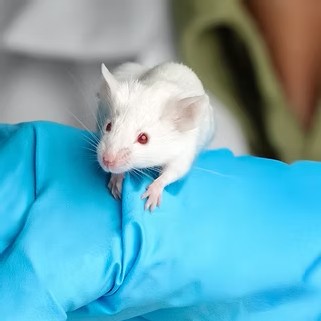
By Lindsay Fisher; Abby Scatena; Julissa Valdez https://soundcloud.com/afternatures/lab-animals-as-collaborators?si=c2e918f024e1456ebfbece13b70e6ed1&utm_source=clipboard&utm_medium=text&utm_campaign=social_sharing Animal testing often evokes strong images and intense debate that draw binaries of pro or against. Through the concepts of Donna Haraway and case studies, we explore the nuances and opportunities to balance research outcomes with more thoughtful relationships between people and lab animals. Key References: Franco,... Continue Reading →
Podcast – Seeing What the Law Canāt: Rights of Nature and the Anthropo-Not-Seen
https://soundcloud.com/afternatures/rights-of-nature?in=afternatures/sets/conservation-ethics-podcast&si=a5be886b4c494dd5a45b400ff9c72973&utm_source=clipboard&utm_medium=text&utm_campaign=social_sharing This podcast explores the growing global movement for Rights of Nature through the lens of conservation ethics and Indigenous world-making. Drawing on Marisol de la Cadenaās concept of the āanthropo-not-seen,ā we examine whether granting legal rights to nature can create visibility for Indigenous ontologies, or if it risks reinforcing the very systems that have... Continue Reading →
Podcast – Plants Are People Too: Debating the Ethics of Anthropomorphism in ConservationĀ
How does anthropocentrism shape scientific relationships with plants and animals?
Podcast – The Politics of Life: How Valuation of Species Impacts Conservation
How and why people choose which species to value in conservation?
Conservation Ethics Syllabus Fall 2025
ConsEthicsSyll Fall 2025Download
From Tradition to Absence: Generational Connection Under Fishing Moratorium
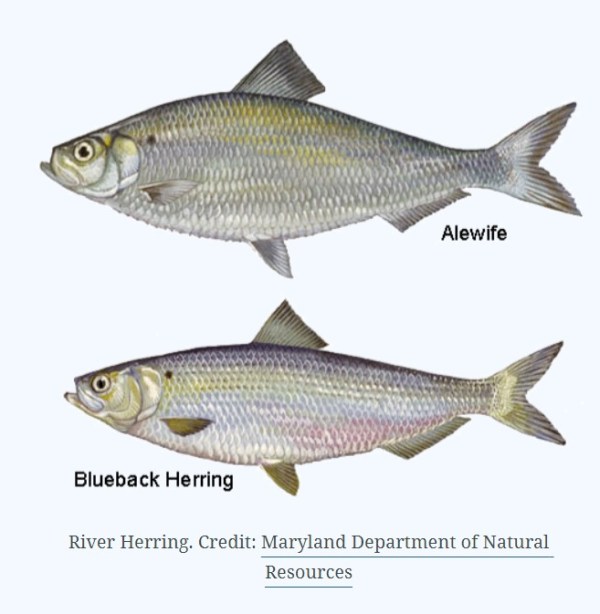
By Micah Dill1 It is a cold February morning, and a man sits on the porch of his cabin near Cat Point Creek, a tributary of the Rappahannock River in Virginia. At this time of year, before the leaves return, he can see out over the water. He watches the water closely, looking for the... Continue Reading →
Losing Touch with Herring in the Rappahannock River
herringāhuman companionship invites us toĀ rethink rural settler VirginiaĀ by considering more-than-human bodily intimacies