How and why people choose which species to value in conservation?
Haunting as Anti-Method: Ecological Rage in the Wake of Organized Disappearance
In landscapes marked by genocide, state terror, and ecological transformation, ghosts do not simply represent what was lost but return to disrupt settled temporalities, animating struggles over justice, memory, and the ethics of killing. Tracing a personal and ethnographic encounter in Tierra del Fuego, this essay explores how rage, refusal, and haunting unsettle conservation logics... Continue Reading →
Conservation Ethics Syllabus Fall 2025
ConsEthicsSyll Fall 2025Download
From Tradition to Absence: Generational Connection Under Fishing Moratorium
By Micah Dill1 It is a cold February morning, and a man sits on the porch of his cabin near Cat Point Creek, a tributary of the Rappahannock River in Virginia. At this time of year, before the leaves return, he can see out over the water. He watches the water closely, looking for the... Continue Reading →
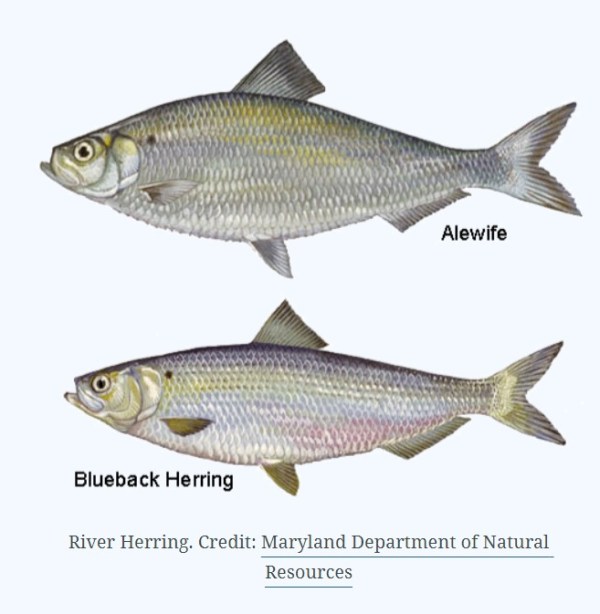
Losing Touch with Herring in the Rappahannock River
herring–human companionship invites us to rethink rural settler Virginia by considering more-than-human bodily intimacies
Un/repairing Through More-than-human Care in Latin America: Conversatorio
https://aesengagement.wordpress.com/2024/08/29/un-repairing-through-more-than-human-care-in-latin-america-conversatorio/?page_id=4906 This piece brings scholars from and/or working in Latin America to share their thoughts on care, extinction, and more-than-human reciprocity. Considering the last decade of theories and practices of care in Latin America, the following examines care and its capacity to repair the ‘care crisis.’
The promise of interspecies desegregation: Allying with capybaras against gated communities in Buenos Aires’ wetlands
Link to article: https://journals.sagepub.com/doi/full/10.1177/26349825241255688
La política animal en los estudios CTS
Capítulo de libro (Dicenta 2024) Link: https://www.epn.edu.ec/wp-content/uploads/2024/02/libro-CTS_web.pdf
Living in ‘Plastic Soup’: Multi-Species Chemical Kinship and Microplastics in Oceans
Student's Essays: Environmental Anthropology, Fall 2023